


Hey there! As a supplier of 3 phase VFD motors, I often get asked about the difference between a 3 phase VFD motor and a normal 3 phase motor. Well, let's dive right in and break it down.
First off, let's talk about what a normal 3 phase motor is. A regular 3 phase motor is a workhorse in many industrial applications. It's designed to run at a fixed speed determined by the frequency of the power supply and the number of poles in the motor. For example, in most countries, the standard power supply frequency is 50 or 60 Hz. A motor with a certain number of poles will rotate at a specific RPM (revolutions per minute) based on this frequency. These motors are simple, reliable, and relatively inexpensive. They're great for applications where a constant speed is required, like in conveyor belts, pumps, and fans that don't need to change their speed often.
On the other hand, a 3 phase VFD (Variable Frequency Drive) motor is a bit more sophisticated. The key difference lies in the ability to vary the speed. A VFD is an electronic device that controls the speed of the motor by adjusting the frequency and voltage of the power supplied to it. This means that a 3 phase VFD motor can run at different speeds according to the requirements of the application.
One of the biggest advantages of a 3 phase VFD motor is energy efficiency. In many applications, the load on the motor varies over time. For instance, in a pumping system, the water demand may not be constant throughout the day. A normal 3 phase motor would run at full speed all the time, consuming a lot of energy even when less power is needed. But a 3 phase VFD motor can slow down when the load is low, reducing energy consumption significantly. This not only saves money on electricity bills but also has a positive impact on the environment.
Another benefit is the precise control it offers. In some industrial processes, accurate speed control is crucial. For example, in a manufacturing line where products are being assembled, different parts of the process may require different motor speeds. A 3 phase VFD motor can be easily adjusted to meet these specific speed requirements, ensuring high-quality production.
Let's take a look at some real - world applications. In a cement plant, variable speed control is essential for various operations. Variable Frequency Three Phase Motors in Cement Plant can help in optimizing the grinding, conveying, and mixing processes. By adjusting the motor speed according to the material flow and production requirements, the overall efficiency of the plant can be improved.
Multi - speed motors are also an option, but they have limitations compared to 3 phase VFD motors. Multi Speed Motor usually have a limited number of fixed speeds. They are not as flexible as VFD motors, which can provide a continuous range of speeds. This lack of flexibility can be a drawback in applications where a wide range of speed control is needed.
YVF Variable Frequency Motors are a type of 3 phase VFD motors that are specifically designed for variable frequency operation. YVF Variable Frequency Motors offer excellent performance and reliability. They are built to withstand the electrical and mechanical stresses associated with variable speed operation, making them suitable for a variety of industrial applications.
However, it's not all sunshine and rainbows with 3 phase VFD motors. They are more expensive than normal 3 phase motors. The cost of the VFD itself, along with the additional installation and maintenance requirements, can be a significant investment. Also, VFDs generate harmonic distortion in the power supply, which may require additional filtering equipment to comply with electrical standards.
In terms of maintenance, normal 3 phase motors are relatively easy to maintain. They have fewer components, and the maintenance procedures are well - established. 3 phase VFD motors, on the other hand, require more technical knowledge. The VFD is a complex electronic device that needs to be properly maintained and calibrated to ensure optimal performance.

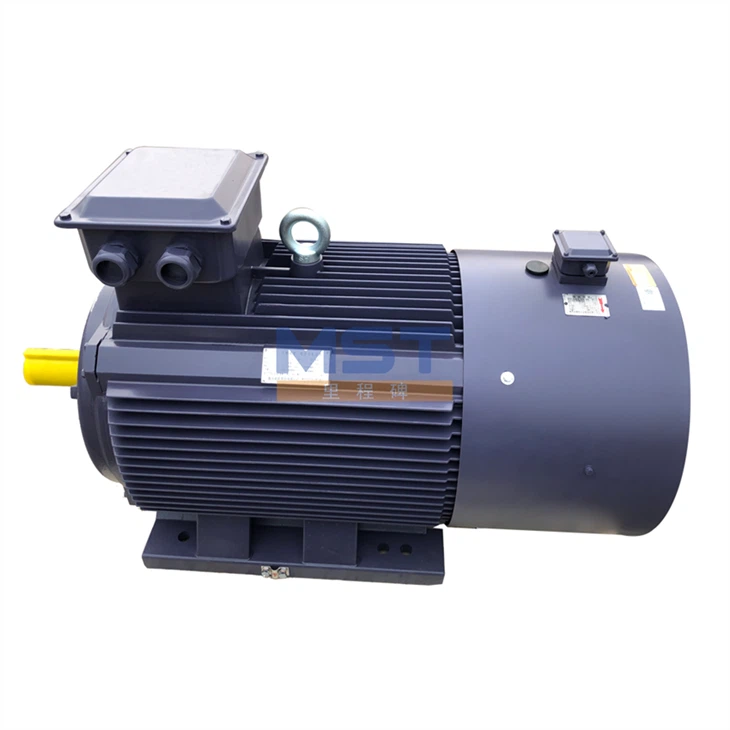
So, when should you choose a 3 phase VFD motor over a normal 3 phase motor? If your application requires variable speed control, energy efficiency, or precise speed regulation, then a 3 phase VFD motor is the way to go. But if you have a simple application with a constant speed requirement and a tight budget, a normal 3 phase motor may be sufficient.
As a supplier of 3 phase VFD motors, I understand that every customer's needs are different. We offer a wide range of high - quality 3 phase VFD motors that can meet various industrial requirements. Whether you're in the cement industry, manufacturing, or any other sector that needs motor solutions, we can help you find the right product.
If you're interested in learning more about our 3 phase VFD motors or want to discuss your specific application, don't hesitate to get in touch. We're here to assist you in making the best decision for your business.
References:
- Electrical Engineering textbooks on motor theory and control
- Industry reports on energy efficiency in industrial motors