


Hey there! As a supplier of proof motors, I often get asked about how the protection mechanism of these motors works. So, I thought I'd take some time to break it down for you in a way that's easy to understand.
First off, let's talk about what a proof motor is. A proof motor, also known as an explosion-proof motor, is designed to operate safely in hazardous environments where there's a risk of explosive gases, vapors, or dust. These motors are built to prevent any sparks or flames from escaping and igniting the surrounding atmosphere.
Now, let's dive into the working principle of a proof motor's protection mechanism. There are several key components and techniques involved in ensuring the safety of these motors.
Enclosure Design
One of the most important aspects of a proof motor's protection mechanism is its enclosure. The enclosure is designed to contain any internal explosions and prevent them from spreading to the outside environment. It's typically made of a robust material, like cast iron or aluminum, that can withstand the pressure generated by an internal explosion.
The enclosure is also designed with tight seals and gaskets to prevent the ingress of explosive gases or dust. This helps to maintain the integrity of the motor and reduce the risk of ignition.
Flame Paths
Another important concept in a proof motor's protection mechanism is the idea of flame paths. A flame path is a narrow gap or channel within the motor's enclosure that allows for the passage of gases but prevents the propagation of flames. When an internal explosion occurs, the flame is forced to travel through these narrow paths, which cools it down and extinguishes it before it can reach the outside environment.
The length and width of the flame paths are carefully calculated to ensure that they meet the safety standards for the specific hazardous area in which the motor will be used.
Temperature Limitation
In addition to containing internal explosions, a proof motor's protection mechanism also includes measures to limit the temperature of the motor. High temperatures can increase the risk of ignition, so it's important to keep the motor within a safe operating temperature range.
This is typically achieved through the use of thermal protection devices, such as thermostats or thermal switches. These devices monitor the temperature of the motor and automatically shut it down if it exceeds a certain threshold.
Grounding and Bonding
Proper grounding and bonding are also essential for the safety of a proof motor. Grounding helps to prevent the buildup of static electricity, which can create sparks and ignite explosive gases or dust. Bonding ensures that all metal parts of the motor are electrically connected, which helps to prevent the formation of potential differences that could lead to arcing or sparking.
Overcurrent and Overload Protection
Proof motors are also equipped with overcurrent and overload protection devices to prevent damage to the motor and reduce the risk of fire. These devices monitor the current flowing through the motor and automatically shut it down if it exceeds a certain limit.
Overcurrent protection is typically provided by fuses or circuit breakers, while overload protection is provided by thermal overload relays. These devices help to protect the motor from damage caused by excessive current or prolonged operation at high loads.
Real-World Applications
Now that we've covered the basic working principle of a proof motor's protection mechanism, let's take a look at some real-world applications where these motors are used.
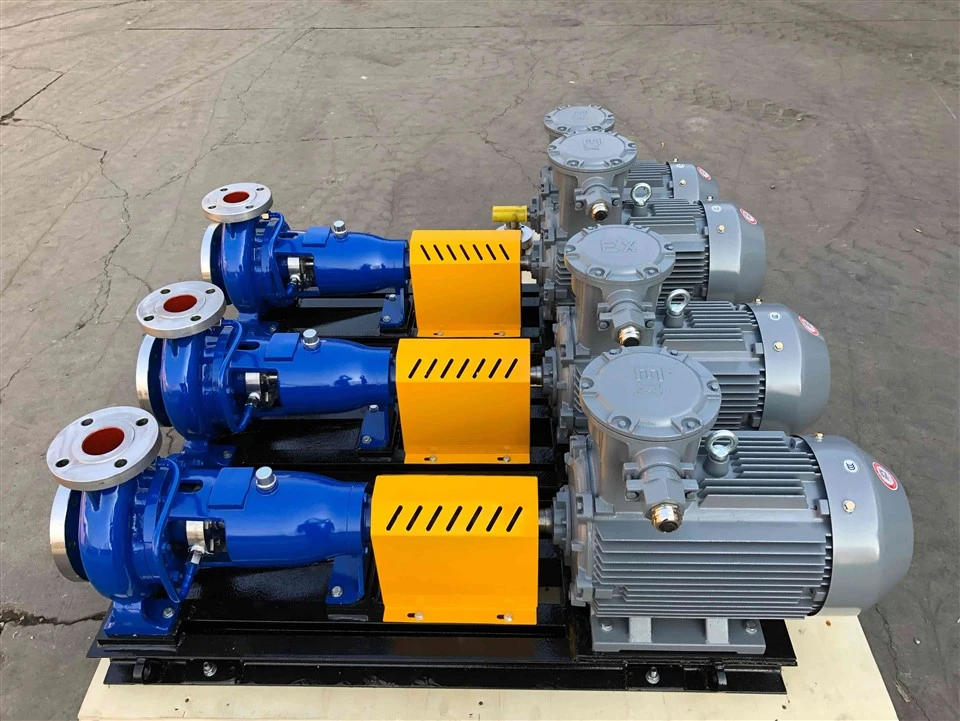
- Oil and Gas Industry: In the oil and gas industry, proof motors are used in a variety of applications, including pumps, compressors, and fans. These motors are designed to operate safely in hazardous areas where there's a risk of explosive gases, such as methane or propane.
- Chemical Industry: The chemical industry also relies heavily on proof motors to ensure the safety of its operations. These motors are used in chemical processing plants, refineries, and storage facilities to power equipment that handles flammable or explosive substances.
- Mining Industry: In the mining industry, proof motors are used in underground mines to power equipment such as conveyor belts, ventilation fans, and pumps. These motors are designed to operate in dusty and explosive environments, where there's a risk of coal dust or methane gas explosions.
Our Product Range
As a proof motor supplier, we offer a wide range of products to meet the needs of different industries and applications. Some of our popular products include:
- Ex Proof AC Motor: Our Ex Proof AC Motors are designed to provide reliable and efficient operation in hazardous environments. These motors are available in a variety of power ratings and configurations to suit different applications.
- 18.5kw High Efficiency Explosion Proof Motor: Our 18.5kw High Efficiency Explosion Proof Motors are designed to provide high performance and energy efficiency in hazardous areas. These motors are ideal for use in pumps, compressors, and other industrial applications.
- Explosion Proof Induction Electric Motor: Our Explosion Proof Induction Electric Motors are designed to provide reliable and efficient operation in explosive atmospheres. These motors are available in a variety of power ratings and speeds to suit different applications.
Conclusion
In conclusion, the protection mechanism of a proof motor is a complex and sophisticated system that involves several key components and techniques. By understanding how these motors work, you can make informed decisions about which type of motor is best suited for your specific application.
If you're in the market for a proof motor, we'd love to hear from you. Our team of experts can help you choose the right motor for your needs and provide you with all the information and support you need to ensure a successful installation. So, don't hesitate to contact us to discuss your requirements and get a quote.

References
- "Explosion Protection for Electrical Equipment in Hazardous Areas," International Electrotechnical Commission (IEC).
- "National Electrical Code (NEC)," National Fire Protection Association (NFPA).
- "Explosion-Proof Motors: A Guide to Selection and Application," Motor and Generator Handbook.