


As a supplier of 3 Phase VFD Motors, I've witnessed firsthand the critical role these motors play in a wide range of industrial applications. These motors, known for their efficiency and versatility, are the heart of many operations. However, one often overlooked factor that can significantly impact their performance is dust. In this blog, I'll delve into the various ways dust can affect a 3 Phase VFD Motor and why it's crucial to take preventive measures.

Understanding the 3 Phase VFD Motor
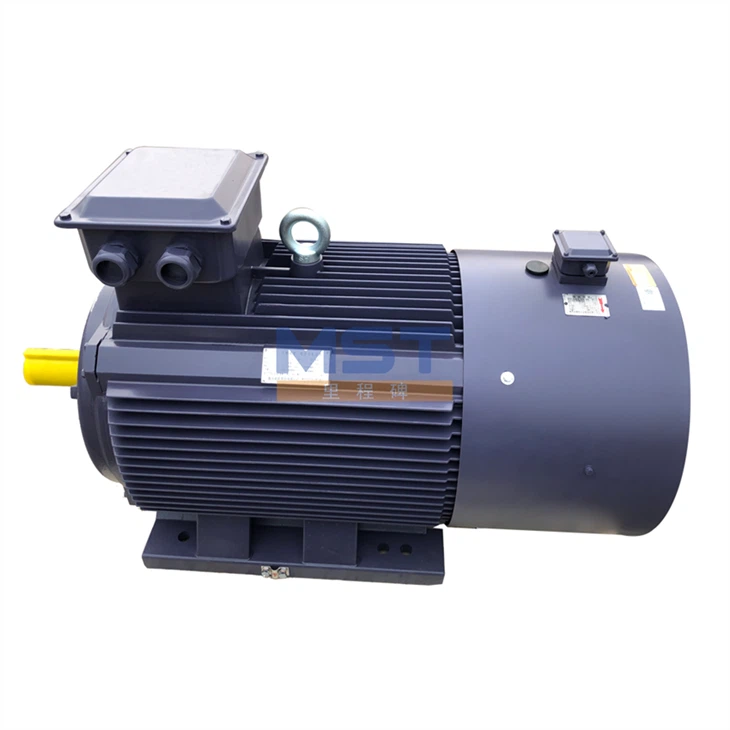
Before we discuss the impact of dust, let's briefly understand what a 3 Phase VFD Motor is. A 3 Phase VFD (Variable Frequency Drive) Motor is designed to operate at variable speeds by adjusting the frequency of the electrical power supplied to it. This feature allows for precise control of motor speed, torque, and acceleration, making it ideal for applications where energy efficiency and process control are essential. These motors are commonly used in industries such as manufacturing, cement plants, and HVAC systems. For instance, in cement plants, Variable Frequency Three Phase Motors in Cement Plant are used to control the speed of conveyors, crushers, and fans, optimizing the production process and reducing energy consumption.
How Dust Enters the Motor
Dust can enter a 3 Phase VFD Motor through various means. In industrial environments, where these motors are often installed, dust is ubiquitous. It can be generated from manufacturing processes, such as cutting, grinding, and welding, or from external sources like construction sites and dusty roads. The motor's ventilation system, which is designed to cool the motor, can inadvertently draw in dust particles. Additionally, gaps in the motor's housing, seals, or cable entries can provide entry points for dust.
Impact of Dust on Motor Performance
Electrical Insulation
One of the most significant impacts of dust on a 3 Phase VFD Motor is on its electrical insulation. Dust particles can accumulate on the motor's windings, which are insulated to prevent electrical short circuits. Over time, the dust can absorb moisture from the air, reducing the insulation resistance of the windings. This can lead to electrical leakage, which not only reduces the motor's efficiency but also poses a safety hazard. In severe cases, electrical arcing can occur, causing damage to the windings and potentially leading to motor failure.
Heat Dissipation
3 Phase VFD Motors generate heat during operation, and proper heat dissipation is crucial to maintain their performance and longevity. Dust accumulation on the motor's cooling fins and ventilation channels can impede the flow of air, reducing the motor's ability to dissipate heat. As a result, the motor's temperature can rise significantly, leading to thermal stress on the motor's components. High temperatures can accelerate the aging of the insulation, reduce the lubrication properties of the bearings, and increase the risk of mechanical failure.
Bearing Wear
Dust particles can also find their way into the motor's bearings, which are responsible for supporting the rotating shaft. The abrasive nature of dust can cause excessive wear on the bearing surfaces, leading to increased friction and noise. As the bearings wear, the motor's performance can deteriorate, and the risk of bearing failure increases. Bearing failure can result in costly downtime and repairs, as well as potential damage to other motor components.
Mechanical Blockage
In some cases, large amounts of dust can accumulate inside the motor, causing mechanical blockage. This can prevent the motor's moving parts from operating smoothly, leading to increased vibration and reduced efficiency. Mechanical blockage can also put additional stress on the motor's drive system, potentially causing damage to the gears, belts, or couplings.
Preventive Measures
To mitigate the impact of dust on a 3 Phase VFD Motor, several preventive measures can be taken.
Dust Protection
Installing dust filters on the motor's ventilation system can help prevent dust from entering the motor. These filters should be regularly cleaned or replaced to ensure their effectiveness. Additionally, sealing any gaps or openings in the motor's housing can prevent dust from entering through these entry points.
Regular Maintenance
Regular maintenance is essential to keep a 3 Phase VFD Motor in optimal condition. This includes cleaning the motor's exterior, checking the insulation resistance, and lubricating the bearings. It's also important to monitor the motor's temperature and vibration levels to detect any potential issues early.
Environmental Control
Controlling the environment in which the motor operates can also help reduce the amount of dust exposure. This can include using dust collectors or air filtration systems in the workplace, as well as keeping the motor away from sources of dust.
Conclusion
In conclusion, dust can have a significant impact on the performance and longevity of a 3 Phase VFD Motor. From electrical insulation issues to bearing wear and mechanical blockage, the presence of dust can lead to a range of problems that can affect the motor's efficiency, reliability, and safety. As a supplier of Variable Frequency Speed Motor, I understand the importance of taking preventive measures to protect these motors from dust. By implementing dust protection measures, performing regular maintenance, and controlling the operating environment, you can ensure that your 3 Phase VFD Motor operates at its best and provides reliable performance for years to come.
If you're in the market for a high-quality 3 Phase VFD Motor or need advice on how to protect your existing motor from dust, I encourage you to contact me for a consultation. We can discuss your specific requirements and provide you with the best solutions to meet your needs.

References
- IEEE Standard for Insulation Systems for Rotating Electrical Machines
- National Electrical Manufacturers Association (NEMA) Standards Publication MG 1 - Motors and Generators
- International Electrotechnical Commission (IEC) Standards for Rotating Electrical Machines