


Vibration in a cage AC motor can be a significant concern for many industrial applications. As a supplier of cage AC motors, I understand the importance of minimizing vibration to ensure the smooth operation, longevity, and efficiency of these motors. In this blog post, I'll share some effective strategies to reduce the vibration of a cage AC motor.
Understanding the Causes of Vibration
Before we delve into the solutions, it's crucial to understand what causes vibration in cage AC motors. There are several factors that can contribute to this issue:

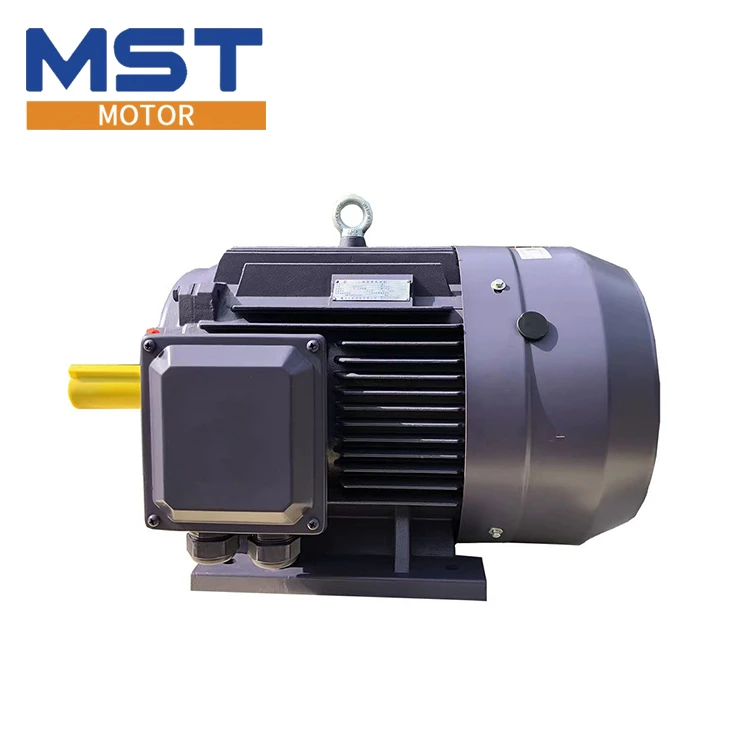
- Mechanical Imbalance: This is one of the most common causes. An imbalance in the motor's rotor can occur due to manufacturing defects, uneven wear, or the accumulation of dirt and debris. When the rotor is not perfectly balanced, it creates an uneven centrifugal force as it rotates, leading to vibration.
- Misalignment: If the motor is not properly aligned with the driven equipment, such as a pump or a fan, it can cause excessive vibration. Misalignment can be either angular or parallel, and it can put additional stress on the motor's bearings and shafts.
- Loose Components: Loose bolts, nuts, or other components in the motor or its mounting can also lead to vibration. Over time, these components can become loose due to normal operation or external factors such as vibrations from nearby machinery.
- Electrical Issues: Problems with the motor's electrical system, such as uneven voltage, unbalanced currents, or faulty windings, can cause electromagnetic forces that result in vibration.
Strategies to Reduce Vibration
1. Balancing the Rotor
Balancing the rotor is essential to reduce vibration caused by mechanical imbalance. There are two main methods for rotor balancing:
- Static Balancing: This method is suitable for rotors with a relatively low speed and small diameter. It involves placing the rotor on a horizontal shaft and adding or removing weights to the rotor until it remains stationary in any position.
- Dynamic Balancing: For high - speed rotors or those with larger diameters, dynamic balancing is required. This process is more complex and involves using specialized equipment to measure the vibration and determine the location and amount of weights needed to balance the rotor while it is rotating.
2. Proper Alignment
Ensuring proper alignment between the motor and the driven equipment is crucial. Here are some steps to follow:
- Precision Alignment Tools: Use precision alignment tools such as laser alignment systems to accurately measure and adjust the alignment. These tools can provide highly accurate measurements and help achieve the required alignment tolerances.
- Regular Checks: Conduct regular alignment checks during the motor's operation. Over time, the alignment can shift due to factors such as thermal expansion, vibration, or mechanical stress. By performing regular checks, you can detect and correct any misalignment before it causes significant problems.
3. Tightening Loose Components
Regularly inspect the motor and its mounting for loose components. Tighten any loose bolts, nuts, or other fasteners to prevent vibration. It's also a good idea to use locking devices such as lock washers or thread - locking compounds to ensure that the components remain tight over time.
4. Electrical System Maintenance
Maintaining the motor's electrical system is essential to prevent electrical - related vibration. Here are some tips:
- Voltage and Current Monitoring: Regularly monitor the motor's voltage and current to ensure that they are within the specified range. Uneven voltage or unbalanced currents can cause electromagnetic forces that lead to vibration.
- Winding Inspection: Periodically inspect the motor's windings for signs of damage or wear. Faulty windings can cause electrical imbalances and vibration. If any issues are detected, the windings should be repaired or replaced as soon as possible.
5. Vibration - Isolating Mounts
Using vibration - isolating mounts can help reduce the transmission of vibration from the motor to the surrounding structure. These mounts are typically made of rubber or other elastic materials that can absorb and dampen vibrations. When selecting vibration - isolating mounts, consider the motor's weight, speed, and the level of vibration reduction required.
Importance of Regular Maintenance
Regular maintenance is key to preventing and reducing vibration in cage AC motors. A well - maintained motor is less likely to experience mechanical or electrical problems that can lead to vibration. Here are some maintenance tasks that should be performed regularly:
- Lubrication: Proper lubrication of the motor's bearings is essential to reduce friction and wear. Follow the manufacturer's recommendations for lubrication intervals and use the appropriate lubricant.
- Cleaning: Keep the motor clean and free of dirt, dust, and debris. Accumulation of these substances can cause imbalance and other problems.
- Inspection: Regularly inspect the motor for signs of wear, damage, or loose components. Early detection of problems can prevent them from escalating and causing more significant issues.
Choosing the Right Motor
As a cage AC motor supplier, I can offer a range of high - quality motors that are designed to minimize vibration. For example, our High Efficiency Motor Ie2 is engineered with advanced technology to ensure smooth operation and low vibration. Our Low Voltage Induction Motor and High Efficiency 3 Phase AC Motor also feature precise manufacturing and quality components to reduce vibration.
Conclusion
Reducing the vibration of a cage AC motor is essential for its reliable and efficient operation. By understanding the causes of vibration and implementing the strategies outlined in this blog post, you can significantly reduce vibration and extend the lifespan of your motor. If you're in the market for a high - quality cage AC motor or need further advice on vibration reduction, please feel free to contact us for a consultation and procurement discussion.
References
- "Electric Motor Handbook" by Arnold E. Fitzgerald, Charles Kingsley Jr., and Stephen D. Umans.
- "Vibration Analysis for Rotating Machinery" by Robert B. Randall.
- Manufacturer's manuals and technical documents for cage AC motors.