


Insulation is a critical aspect of high voltage motors, ensuring their safe and efficient operation. As a high voltage motor supplier, I've witnessed firsthand the importance of proper insulation in these powerful machines. In this blog, I'll delve into how the insulation of high voltage motors works, exploring the materials, processes, and factors that contribute to effective insulation.
The Basics of High Voltage Motor Insulation
High voltage motors operate at voltages significantly higher than standard motors, typically ranging from 3 kV to 13.8 kV or even higher. At these elevated voltages, the insulation system plays a crucial role in preventing electrical breakdown and protecting the motor's components from damage.
The primary function of insulation in a high voltage motor is to isolate the electrical conductors from each other and from the motor's frame. This prevents current leakage, which can lead to short circuits, overheating, and ultimately, motor failure. Additionally, insulation helps to withstand the electrical stress caused by high voltages and protects the motor from environmental factors such as moisture, dust, and chemicals.
Insulation Materials
A variety of materials are used in high voltage motor insulation, each selected for its specific properties and performance characteristics. Some of the most common insulation materials include:
- Mica: Mica is a natural mineral with excellent electrical insulation properties. It has high dielectric strength, which means it can withstand high voltages without breaking down. Mica is also resistant to heat, moisture, and chemicals, making it an ideal material for high voltage motor insulation.
- Epoxy Resins: Epoxy resins are synthetic polymers that are widely used in high voltage motor insulation. They offer good adhesion, mechanical strength, and electrical insulation properties. Epoxy resins can be formulated to have different properties, such as high temperature resistance or flexibility, depending on the specific application.
- Glass Fiber: Glass fiber is a strong and lightweight material that is often used as a reinforcement in high voltage motor insulation. It provides mechanical support and helps to improve the insulation's resistance to mechanical stress and vibration.
- Polyimide Films: Polyimide films are high-performance materials that offer excellent electrical insulation, thermal stability, and chemical resistance. They are commonly used in high voltage motor insulation systems, particularly in applications where high temperatures or harsh environments are present.
Insulation Systems
High voltage motor insulation systems typically consist of multiple layers of insulation materials, each serving a specific purpose. The most common insulation system used in high voltage motors is the Class F insulation system, which is designed to withstand temperatures up to 155°C.
The Class F insulation system typically includes the following layers:
- Turn Insulation: The turn insulation is the innermost layer of insulation and is used to isolate the individual turns of the motor's winding from each other. It is usually made of a thin layer of mica or epoxy resin.
- Layer Insulation: The layer insulation is used to separate the different layers of the motor's winding. It is typically made of a thicker layer of mica or epoxy resin and provides additional electrical insulation and mechanical support.
- Ground Insulation: The ground insulation is the outermost layer of insulation and is used to isolate the motor's winding from the motor's frame. It is usually made of a thick layer of mica or epoxy resin and provides the highest level of electrical insulation.
In addition to the Class F insulation system, there are also other insulation systems available, such as the Class H insulation system, which is designed to withstand temperatures up to 180°C. The choice of insulation system depends on the specific application and the operating conditions of the motor.
Insulation Processes
The insulation of high voltage motors is a complex process that requires careful attention to detail and strict quality control. The following are the main steps involved in the insulation process:
- Winding Preparation: The first step in the insulation process is to prepare the motor's winding. This involves cleaning the winding to remove any dirt, debris, or contaminants and then applying a primer to improve the adhesion of the insulation materials.
- Turn Insulation Application: Once the winding is prepared, the turn insulation is applied to the individual turns of the winding. This is typically done by wrapping the turns with a thin layer of mica or epoxy resin.
- Layer Insulation Application: After the turn insulation is applied, the layer insulation is applied to separate the different layers of the winding. This is usually done by wrapping the winding with a thicker layer of mica or epoxy resin.
- Ground Insulation Application: The final step in the insulation process is to apply the ground insulation to the motor's winding. This is typically done by wrapping the winding with a thick layer of mica or epoxy resin and then curing the insulation to harden it.
Factors Affecting Insulation Performance
Several factors can affect the performance of high voltage motor insulation, including:
- Temperature: High temperatures can cause the insulation materials to degrade over time, reducing their electrical insulation properties. It is important to ensure that the motor operates within the temperature range specified by the manufacturer to prevent insulation damage.
- Moisture: Moisture can penetrate the insulation materials and cause electrical leakage, which can lead to short circuits and motor failure. It is important to protect the motor from moisture by using proper sealing and ventilation.
- Mechanical Stress: Mechanical stress, such as vibration or shock, can cause the insulation materials to crack or break, reducing their electrical insulation properties. It is important to ensure that the motor is properly mounted and secured to prevent mechanical stress.
- Electrical Stress: High voltages can cause electrical stress on the insulation materials, which can lead to electrical breakdown. It is important to ensure that the motor is designed and operated within the voltage range specified by the manufacturer to prevent electrical stress.
Conclusion
Insulation is a critical aspect of high voltage motors, ensuring their safe and efficient operation. As a high voltage motor supplier, we understand the importance of proper insulation and use the latest materials and processes to ensure that our motors meet the highest standards of quality and performance.
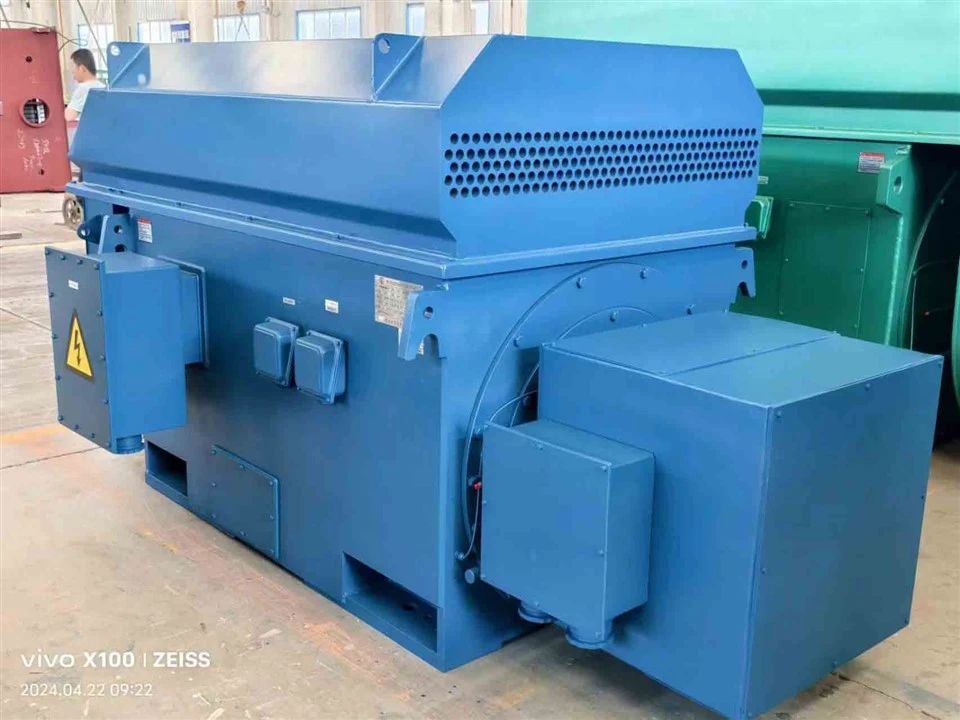
If you're in the market for a high voltage motor, we offer a wide range of products to meet your specific needs. Our 315kw High Voltage Slip Ring Motor, High Voltage AC Motor, and High Efficiency High Voltage Motor are all designed with the latest insulation technology to ensure reliable and long-lasting performance.
If you have any questions or would like to discuss your motor requirements, please don't hesitate to contact us. We're here to help you find the right motor for your application and to provide you with the support and service you need to keep your motor running smoothly.
References
- Fitzgerald, A. E., Kingsley, C., & Umans, S. D. (2003). Electric Machinery (6th ed.). McGraw-Hill.
- Chapman, S. J. (2012). Electric Machinery Fundamentals (5th ed.). McGraw-Hill.
- IEEE Standard for Insulation Systems for Rotating Electrical Machines (IEEE Std 117-2012).