


As a supplier of VFD ready motors, I often get asked this question: Can a VFD ready motor operate at variable frequencies continuously? Well, let's dive right into it and break it down.
First off, what's a VFD ready motor? A VFD, or Variable Frequency Drive, is a device that controls the speed of an electric motor by varying the frequency and voltage supplied to it. A VFD ready motor is specifically designed to work with a VFD. It has certain features and characteristics that make it suitable for use with these drives.
Now, to answer the big question: Yes, a VFD ready motor can operate at variable frequencies continuously. But there are a few things you need to keep in mind.
Advantages of Continuous Variable - Frequency Operation
One of the main benefits of running a VFD ready motor at variable frequencies continuously is energy savings. Motors often operate at a fixed speed, but in many applications, the load requirements change over time. For example, in a Variable Frequency Three Phase Motors in Cement Plant, the motor may need to run at different speeds depending on the production process. By using a VFD to adjust the motor speed to match the load, you can significantly reduce energy consumption.
Another advantage is improved process control. In industrial settings, precise control of motor speed is crucial. With a VFD ready motor operating continuously at variable frequencies, you can fine - tune the speed to meet the exact requirements of the process. This leads to better product quality and more efficient operations.
Technical Considerations
However, continuous variable - frequency operation isn't without its challenges. Heat is a major concern. When a motor runs at different frequencies, the electrical and magnetic losses within the motor can change. At lower frequencies, the motor may not be able to cool itself as effectively, which can lead to overheating. To address this, VFD ready motors are often designed with enhanced cooling systems, such as external fans or improved ventilation.
Another technical aspect is insulation. The voltage waveforms produced by VFDs can be more complex than the standard sinusoidal waveforms. These non - sinusoidal waveforms can put additional stress on the motor's insulation. That's why VFD ready motors typically have improved insulation systems to withstand these stresses over continuous operation.
Compatibility with VFDs
It's also important to ensure that the VFD and the motor are compatible. Not all VFDs are created equal, and different models may have different output characteristics. You need to make sure that the VFD you're using is suitable for the specific VFD ready motor you have. This includes matching the power ratings, the voltage levels, and the control features.
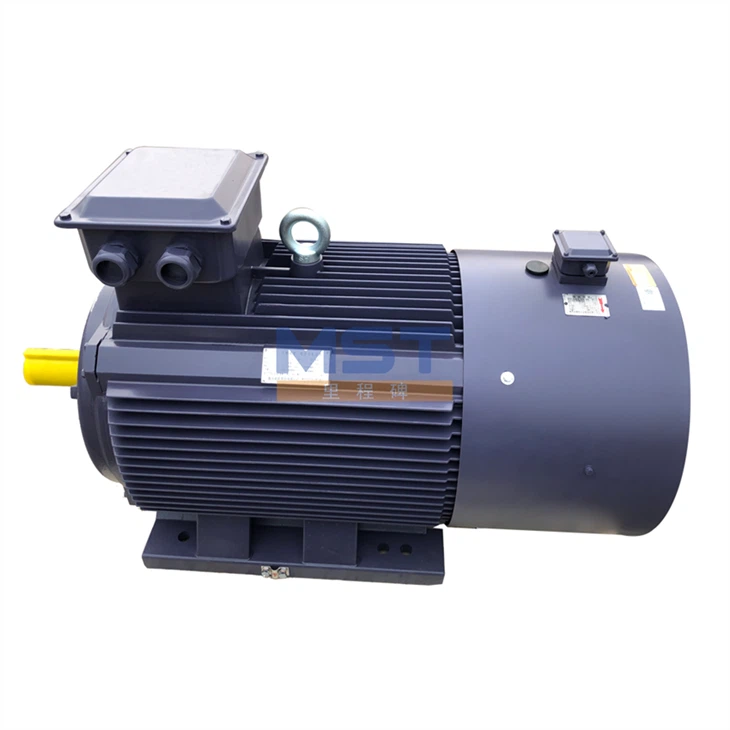

For example, a 3 Phase VFD Motor requires a VFD that can handle three - phase power and provide the appropriate frequency and voltage variations. If the VFD and the motor aren't properly matched, it can lead to poor performance, increased wear and tear, and even motor failure.
Maintenance and Monitoring
Continuous operation at variable frequencies means that the motor will experience different operating conditions compared to a motor running at a fixed speed. This requires regular maintenance and monitoring. You need to check the motor's temperature, vibration levels, and electrical parameters on a regular basis.
Monitoring the motor's performance can help you detect any potential issues early on. For instance, if you notice an increase in vibration or temperature, it could be a sign of a problem, such as a misaligned shaft or a failing bearing. By addressing these issues promptly, you can prevent more serious damage and extend the motor's lifespan.
Applications
VFD ready motors operating at variable frequencies continuously are used in a wide range of applications. In addition to the cement plant example I mentioned earlier, they're also commonly used in HVAC systems. In an air - handling unit, the motor can be adjusted to vary the airflow depending on the temperature and occupancy of the building. This not only saves energy but also provides a more comfortable environment.
Another application is in conveyor systems. A Multi Speed Motor in a conveyor can be adjusted to change the speed of the conveyor belt, depending on the volume of materials being transported. This allows for more efficient material handling and reduces the risk of product damage.
Conclusion
In conclusion, a VFD ready motor can definitely operate at variable frequencies continuously. It offers numerous advantages, such as energy savings and improved process control. However, you need to be aware of the technical considerations, ensure compatibility with the VFD, and implement proper maintenance and monitoring practices.
If you're in the market for VFD ready motors or have any questions about their continuous variable - frequency operation, I'd be more than happy to help. Whether you're looking for a Variable Frequency Three Phase Motors in Cement Plant, a 3 Phase VFD Motor, or a Multi Speed Motor, we have a wide range of products to meet your needs. Feel free to reach out to start a discussion about your specific requirements and how we can provide the best solution for your business.
References
- "Variable Frequency Drives Handbook"
- Industry standards and guidelines related to VFD and motor operation.