


As a seasoned supplier of exp motors, I've witnessed firsthand the critical role these motors play in various industries. Understanding the starting characteristics of an exp motor is not just a technical necessity; it's a key factor in ensuring safety, efficiency, and optimal performance in hazardous environments. In this blog, I'll delve into the fundamental starting characteristics of exp motors, exploring their significance and how they impact your operations.
Starting Torque: The Initial Push
One of the most crucial starting characteristics of an exp motor is its starting torque. Starting torque refers to the amount of torque the motor can generate at the moment it starts. In hazardous environments, where exp motors are commonly used, a high starting torque is often required to overcome the inertia of the load and get the equipment up and running.
For example, in industries such as oil and gas, chemical processing, and mining, exp motors are frequently used to drive pumps, compressors, and conveyors. These types of equipment typically have high inertia loads, meaning they require a significant amount of torque to start moving. A motor with insufficient starting torque may struggle to start the load, leading to extended starting times, increased wear and tear on the motor and equipment, and even potential damage to the motor.
Our Flameproof Exd Explosion proof Motor is designed to provide high starting torque, ensuring reliable and efficient operation in even the most demanding applications. With advanced motor design and high-quality materials, our motors can deliver the power needed to start heavy loads quickly and smoothly, reducing downtime and improving productivity.
Starting Current: Managing Power Consumption
Another important starting characteristic of an exp motor is its starting current. Starting current refers to the amount of electrical current the motor draws when it starts. In general, exp motors draw a higher current during startup than during normal operation. This is because the motor needs to overcome the initial inertia of the load and build up speed.
High starting currents can have several implications for your electrical system. First, they can cause voltage drops in the electrical network, which can affect the performance of other equipment connected to the same network. Second, they can increase the stress on the motor's windings and other components, potentially leading to premature failure. Finally, they can result in higher energy consumption and increased operating costs.
To address these issues, our Explosion Proof Electric Motor is equipped with advanced starting control technologies that help to reduce starting current. These technologies include soft starters, variable frequency drives (VFDs), and other motor control devices. By gradually ramping up the voltage and frequency applied to the motor, these devices can limit the starting current and minimize the impact on the electrical system.
Starting Time: Minimizing Downtime
The starting time of an exp motor is another critical starting characteristic. Starting time refers to the amount of time it takes for the motor to reach its rated speed from a standstill. In many applications, minimizing starting time is essential to ensure efficient operation and reduce downtime.
For example, in a manufacturing plant, a motor that takes too long to start can cause delays in the production process, leading to lost productivity and increased costs. In a power generation facility, a slow-starting motor can affect the stability of the electrical grid and potentially cause power outages.
Our Explosion Proof Induction Electric Motor is designed to have a short starting time, allowing it to quickly reach its rated speed and start driving the load. This is achieved through a combination of advanced motor design, high-quality materials, and optimized control algorithms. By minimizing starting time, our motors can help you to improve the efficiency and reliability of your operations.
Thermal Considerations: Protecting the Motor
During startup, exp motors generate a significant amount of heat due to the high current draw and the mechanical stress on the motor's components. This heat can cause the motor's temperature to rise rapidly, potentially leading to thermal damage if not properly managed.
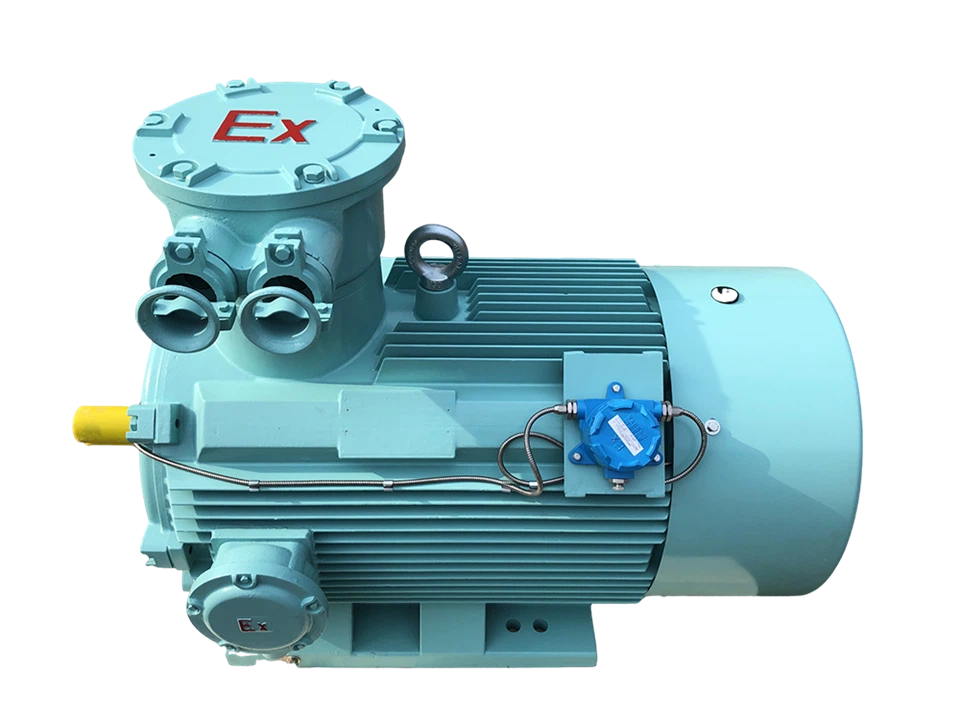

To protect the motor from overheating, our exp motors are equipped with thermal protection devices such as thermal overload relays and temperature sensors. These devices monitor the motor's temperature and automatically shut off the motor if it exceeds a safe operating temperature. In addition, our motors are designed with efficient cooling systems that help to dissipate heat and maintain a stable operating temperature.
Impact on Safety and Reliability
The starting characteristics of an exp motor have a direct impact on the safety and reliability of your operations. A motor with poor starting characteristics can pose a significant safety risk in hazardous environments, as it may fail to start or may experience a sudden shutdown during operation. This can lead to the release of hazardous substances, fires, and explosions, putting the lives of your employees and the environment at risk.
By choosing an exp motor with high starting torque, low starting current, short starting time, and effective thermal protection, you can ensure the safety and reliability of your operations. Our exp motors are designed and tested to meet the highest safety standards, providing you with peace of mind and confidence in your equipment.
Conclusion
In conclusion, understanding the starting characteristics of an exp motor is essential for ensuring the safety, efficiency, and reliability of your operations. By considering factors such as starting torque, starting current, starting time, and thermal protection, you can choose the right exp motor for your application and optimize its performance.
As a leading supplier of exp motors, we are committed to providing our customers with high-quality products and exceptional service. Our Flameproof Exd Explosion proof Motor, Explosion Proof Electric Motor, and Explosion Proof Induction Electric Motor are designed to meet the most demanding requirements of various industries, offering reliable performance, energy efficiency, and long service life.
If you're interested in learning more about our exp motors or would like to discuss your specific application requirements, please don't hesitate to contact us. Our team of experts is here to help you find the right solution for your needs and ensure the success of your operations.
References
- IEEE Standard for Explosion - Protected Machines, IEEE Std 30 - 2007.
- International Electrotechnical Commission (IEC) standards related to explosion - proof electrical equipment, such as IEC 60079 series.
- Various industry - specific handbooks on electrical engineering and motor applications in hazardous environments.