


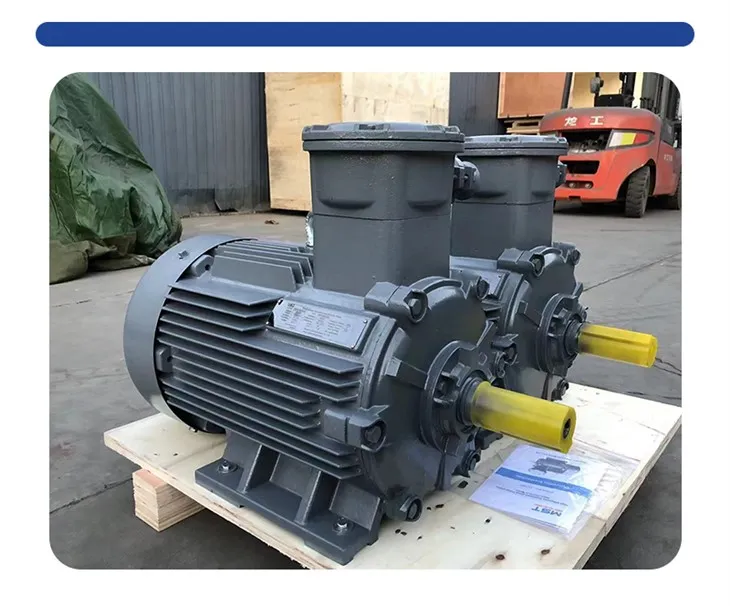
Installing an explosion-proof (exp) motor is a critical task that requires careful planning, knowledge of electrical systems, and adherence to safety regulations. As a reputable exp motor supplier, we understand the importance of providing clear guidance to our customers on the installation process. In this blog post, we will walk you through the steps of installing an exp motor, ensuring a safe and efficient setup.

Step 1: Pre-Installation Preparation
Before you begin the installation process, it is essential to conduct a thorough pre-installation preparation. This step involves several key tasks that will help you ensure a smooth and successful installation.
Site Inspection
The first step in pre-installation preparation is to conduct a site inspection. This involves visiting the location where the exp motor will be installed and assessing the environmental conditions, electrical infrastructure, and available space. During the site inspection, you should look for the following:
- Environmental Conditions: Check for any potential hazards, such as explosive gases, dust, or moisture, that could affect the performance of the exp motor. Ensure that the installation site meets the requirements of the motor's explosion-proof rating.
- Electrical Infrastructure: Verify that the electrical supply at the installation site is compatible with the exp motor's voltage, frequency, and phase requirements. Check for any existing electrical systems or equipment that may need to be modified or upgraded to accommodate the new motor.
- Available Space: Measure the available space at the installation site to ensure that there is enough room to install the exp motor and its associated components, such as starters, controllers, and ventilation systems. Consider any clearance requirements specified by the motor manufacturer.
Equipment Selection
Once you have completed the site inspection, the next step is to select the appropriate exp motor and associated equipment for your application. When selecting an exp motor, you should consider the following factors:
- Explosion-Proof Rating: Choose an exp motor with an explosion-proof rating that is suitable for the hazardous environment where it will be installed. The explosion-proof rating indicates the level of protection provided by the motor against explosive gases, dust, or vapors.
- Power and Torque Requirements: Determine the power and torque requirements of your application and select an exp motor that can meet these requirements. Consider factors such as the load type, speed, and duty cycle when selecting the motor.
- Enclosure Type: Choose an exp motor with an enclosure type that is suitable for the environmental conditions at the installation site. The enclosure type provides protection against dust, moisture, and other contaminants.
- Control System: Select a control system that is compatible with the exp motor and can provide the necessary control and protection functions. Consider factors such as the motor's starting method, speed control, and overload protection when selecting the control system.
Safety Precautions
Before you begin the installation process, it is essential to take all necessary safety precautions to protect yourself and others from potential hazards. This includes wearing appropriate personal protective equipment (PPE), such as safety glasses, gloves, and hard hats, and following all safety guidelines and procedures specified by the motor manufacturer and relevant safety regulations.
Step 2: Mounting the Exp Motor
Once you have completed the pre-installation preparation, the next step is to mount the exp motor at the installation site. This step involves several key tasks that will help you ensure a secure and stable installation.
Positioning the Motor
The first step in mounting the exp motor is to position it at the installation site. This involves placing the motor on a flat and level surface that is capable of supporting the weight of the motor and its associated components. Ensure that the motor is positioned in a location that provides easy access for maintenance and inspection.
Aligning the Motor
Once the motor is positioned at the installation site, the next step is to align it with the driven equipment. This involves ensuring that the motor's shaft is aligned with the shaft of the driven equipment to minimize vibration and ensure efficient power transmission. Use a laser alignment tool or other alignment method to ensure accurate alignment.
Securing the Motor
Once the motor is aligned with the driven equipment, the next step is to secure it to the mounting surface. This involves using bolts, nuts, and washers to attach the motor to the mounting surface. Ensure that the bolts are tightened to the appropriate torque specification to prevent the motor from moving or vibrating during operation.
Step 3: Connecting the Electrical Wiring
Once the exp motor is mounted at the installation site, the next step is to connect the electrical wiring. This step involves several key tasks that will help you ensure a safe and reliable electrical connection.
Selecting the Appropriate Wiring
The first step in connecting the electrical wiring is to select the appropriate wiring for the exp motor. This involves choosing wiring that is suitable for the motor's voltage, current, and temperature requirements. Use wiring that is rated for the hazardous environment where the motor will be installed and that meets all relevant safety regulations.
Connecting the Power Supply
Once you have selected the appropriate wiring, the next step is to connect the power supply to the exp motor. This involves connecting the motor's power terminals to the electrical supply using the appropriate wiring and connectors. Ensure that the power supply is disconnected before making any electrical connections to prevent electrical shock.

Connecting the Control Wiring
Once the power supply is connected to the exp motor, the next step is to connect the control wiring. This involves connecting the motor's control terminals to the control system using the appropriate wiring and connectors. Ensure that the control wiring is properly insulated and protected to prevent electrical interference and short circuits.
Step 4: Testing and Commissioning
Once the exp motor is installed and the electrical wiring is connected, the next step is to test and commission the motor. This step involves several key tasks that will help you ensure that the motor is operating safely and efficiently.
Visual Inspection
The first step in testing and commissioning the exp motor is to conduct a visual inspection of the motor and its associated components. This involves checking for any signs of damage, loose connections, or other issues that could affect the performance of the motor. Ensure that all electrical connections are tight and secure and that all components are properly installed.
Electrical Testing
Once the visual inspection is complete, the next step is to conduct electrical testing of the exp motor. This involves using a multimeter or other electrical testing equipment to measure the motor's voltage, current, and resistance. Ensure that the motor's electrical parameters are within the specified range and that there are no electrical faults or short circuits.
Mechanical Testing
Once the electrical testing is complete, the next step is to conduct mechanical testing of the exp motor. This involves running the motor at low speed and checking for any signs of vibration, noise, or other issues that could affect the performance of the motor. Ensure that the motor is running smoothly and that there are no mechanical faults or problems.
Commissioning
Once the testing is complete and the exp motor is operating safely and efficiently, the next step is to commission the motor. This involves setting up the control system and programming the motor to operate at the desired speed and torque. Ensure that the motor is properly calibrated and that all safety features are functioning correctly.
Step 5: Maintenance and Inspection
Once the exp motor is installed, tested, and commissioned, it is essential to perform regular maintenance and inspection to ensure its continued safe and efficient operation. This involves several key tasks that will help you identify and address any potential issues before they become major problems.
Regular Maintenance
The first step in maintenance and inspection is to perform regular maintenance on the exp motor. This involves cleaning the motor, checking the lubrication levels, and inspecting the electrical connections and components. Follow the maintenance schedule recommended by the motor manufacturer to ensure that the motor is properly maintained.
Periodic Inspection
In addition to regular maintenance, it is also important to perform periodic inspection of the exp motor. This involves conducting a more detailed inspection of the motor and its associated components to identify any potential issues or problems. Use a checklist or other inspection tool to ensure that all components are inspected thoroughly.
Troubleshooting
If you encounter any issues or problems with the exp motor, it is important to troubleshoot the problem quickly and effectively. This involves using diagnostic tools and techniques to identify the root cause of the problem and taking appropriate action to resolve it. Follow the troubleshooting guide provided by the motor manufacturer to ensure that the problem is resolved correctly.

Conclusion
Installing an exp motor is a complex and critical task that requires careful planning, knowledge of electrical systems, and adherence to safety regulations. As a reputable exp motor supplier, we are committed to providing our customers with the highest quality products and services. If you have any questions or need assistance with the installation of an exp motor, please do not hesitate to contact us. We would be happy to help you with your purchase and installation needs.
References
- Electrical Safety in the Workplace: OSHA Regulations and Best Practices
- National Electrical Code (NEC)
- Motor Installation and Maintenance Manuals
- Explosion-Proof Motor Standards and Guidelines